

Shin Splints Treatment in Breda and Bavel
A Specialized Approach to Shin Splints at Helix Physical Therapy
Shin splints (medial tibial stress syndrome) are a common condition affecting the shinbone among runners, athletes, and people who have gradually increased their training load. The pain on the inner side of the shinbone often develops gradually and can make exercising increasingly difficult.
Many athletes continue to train, which can cause their symptoms to worsen and become more persistent. Without proper treatment, this can even lead to stress reactions in the bone or long-term overuse of the lower leg.
At Helix Physical Therapy in Bavel (Breda area), we focus on an active and goal-oriented approach to treating shin splints. We don’t just recommend rest; instead, we use a combination of treatment, exercise, and a smart progression of activity levels.
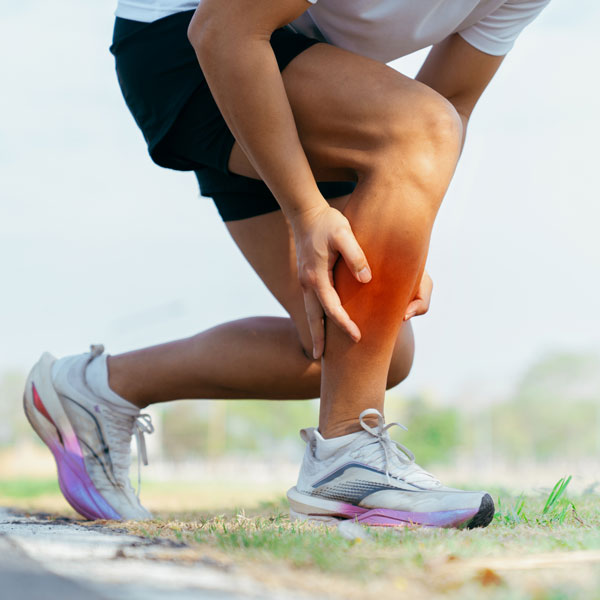
What are shin splints?
With every step you take while walking or running, various muscles pull on the shin, such as the calf muscles and the muscles that support the arch of the foot. When the strain on these muscles exceeds the body’s ability to recover, it causes irritation of:
- the periosteum surrounding the tibia;
- the tendon attachments of the muscles to the tibia;
- and sometimes the bone itself, due to the development of small bone reactions.
It used to be thought that shin splints were primarily an inflammation of the periosteum. Today, we know that they are usually caused by an overuse reaction affecting both the bone and the surrounding tissues.
Symptoms are often characterized by:
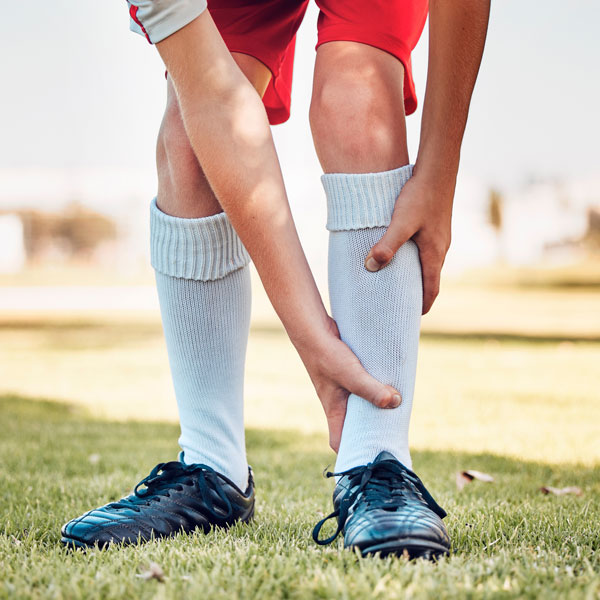
- Pain on the inner side of the shin
- Pain During or After Running
- Stiffness when starting to exercise
- Tenderness when pressure is applied to the shin
- Symptoms that worsen with exertion
What causes shin splints?
Shin splints are almost always caused by a combination of factors. In most cases, there is no single clear cause; rather, the injury occurs when the load placed on the lower leg exceeds its capacity to withstand it.
Common causes include:
- Building up running or training too quickly
- Reduced load-bearing capacity of the lower leg
- Poor running form or an unfavorable landing pattern
- Weak calf and foot muscles
- A reduced or weak arch of the foot
- Inappropriate or worn-out footwear
- Insufficient recovery time between workouts
- Change in Training Surface
- Sudden increase in sprint, jump, or interval training
That is why a thorough analysis of your load, movement patterns, strength, and mobility is essential—not only to reduce your symptoms but also to prevent recurring shin splints.
Why do shin splints keep coming back?
Many athletes resume training as soon as the pain subsides. However, the lower leg’s ability to withstand stress often has not yet fully recovered. As a result, the symptoms frequently return as soon as the training load increases again.
At Helix, we therefore look beyond just the pain. We build up the strength of the entire lower leg step by step. In doing so, we focus on strength, ankle mobility, foot stability, running technique, and training progression. This helps reduce the risk of shin splints recurring.
How long does recovery take?
Situation | Average recovery time |
Early-stage shin splints | 4–8 weeks |
Chronic shin splints | 2–4 months |
Stress reaction of the tibia | A few months |
What can you do on your own?
- Build up your training load gradually.
- Avoid large spikes in your running volume.
- Wear well-fitting running shoes.
- Work on strengthening your calf and foot muscles.
- Improve ankle mobility.
- Make sure to allow enough recovery time between workouts.
When should you see a physical therapist?
Make an appointment when:
- the symptoms persist for more than two weeks;
- the pain during or after running keeps coming back;
- walking or jumping becomes painful;
- you can no longer increase your exercise intensity;
- you don’t notice any clear improvement despite resting.
Our Approach to Shin Splints
At Helix, we don’t believe in just resting or completely stopping exercise.
We combine:
Hands-on therapy
Intended for:
- Reducing muscle tension
- Improving Blood Circulation
- Reducing Pain Stimuli
- Recovery from Tissue Stress
Active Training
We focus on building strength and endurance in:
- Calf Muscles
- Foot Muscles
- Lower Leg Examination
- Stability While Walking and Running
Tax and Pension Planning Advice
We’ll guide you step by step through:
- Workout Structure
- Moments of Rest
- Running Plans
- Recovery Between Sessions
The goal is not only to become pain-free, but also to return to sports in a safe and stronger way.
Rehabilitation According to the Principles of Frans Bosch
In our rehabilitation program, we frequently apply the principles of Frans Bosch Training & Coaching.
This method is used worldwide in elite sports, including professional soccer and in the training of international athletes and Olympic athletes.
The strength of this approach is that we don’t just train muscles, but—above all—movements and endurance in realistic sports situations.
In the case of shin splints, this means we focus on:
- Movement Control While Running
- Coordination and Timing
- Efficient Use of Muscle Chains
- Load-bearing capacity under dynamic conditions
- Preventing Overuse Injuries When Returning to Sports
As a result, athletes not only recover faster, but—more importantly—their recovery is more sustainable.
The Rehabilitation Program at Helix
1. Analysis and Tax Assessment
We are investigating:
- Training Load
- Running Technique
- Strength and Mobility
- Pain Pattern
2. Recovery and Load Management
- Temporary Tax Adjustment
- Pain Relief
- Staying in shape whenever possible
3. Building Strength and Control
- Strengthening the Calf and Foot Muscles
- Improving Stability
- Increase Workload Capacity
4. Getting Back into Running
- Verified Construction Schedules
- Running Form Optimization
- Progressive taxation
5. Full return to sports
- Sport-Specific Training
- Relapse Prevention
- Tax Monitoring
When should you seek help?
Please contact a specialist at:
- Persistent pain in the shin
- Symptoms that worsen during exercise
- Recurrent shin splints
- Limitation in running or jumping
1267+
Successful trajectories
97%
Customer Satisfaction
100%
Aftercare
Link to other Helix treatments
Shin splints often don’t occur on their own. In some cases, we see a connection with other lower leg or ankle problems.
See also:
- 👉 Ankle Injuries (instability and gait pattern)
- 👉 Ankle Complaints Page (overview of all ankle and lower leg complaints)
- 👉 Rehabilitation after ankle surgery (for long-term overuse or post-operative recovery)
Frequently Asked Questions
How long does it take to recover from shin splints?
Recovery time depends on the severity of the symptoms, how long you’ve been experiencing them, and how well you build up the lower leg’s capacity for physical activity. Mild cases of shin splints often resolve within 4 to 8 weeks. For long-term symptoms or more severe overuse, recovery can take 2 to 4 months or longer. Our goal is not only to eliminate the pain, but also to help you run or exercise safely and with confidence again.
Should I stop exercising?
Not always. Complete rest isn’t usually the best solution. In many cases, it’s possible to stay active by temporarily adjusting your activity level. Together, we’ll determine which activities you can continue to do and how we can safely build up your training load without making your symptoms worse.
Why do shin splints keep coming back?
Shin splints often recur if the underlying cause is not addressed. Building up training too quickly, insufficient strength in the calf and foot muscles, limited ankle mobility, a weak arch, or an unfavorable gait pattern can cause the load on the shinbone to become excessive time and time again. That is why, during treatment, we focus not only on pain relief but also on increasing the body’s ability to handle stress and preventing recurring symptoms.
Can I keep running if I have shin splints?
That depends on the severity of your symptoms. With mild shin splints, it’s often possible to temporarily run less or adjust the intensity. If you experience severe pain or symptoms that worsen with every workout, it’s wise to temporarily reduce your running workload. Together, we’ll develop a safe progression plan so you can safely return to running as soon as possible.
Are shin splints the same as a stress fracture?
No. Shin splints are an overuse injury affecting the muscles and tendon attachments around the shinbone. A stress fracture is a small bone fracture caused by prolonged overuse. The symptoms may seem similar, but a stress fracture often causes more localized and sharp pain that can also be present at rest. If in doubt, further testing is important.
Does stretching help with shin splints?
Stretching exercises can be part of the treatment, but they usually don’t address the underlying cause. At Helix, we combine mobility exercises with strength training, gradual progression of load, and improvements in running form. This way, we work toward a lasting recovery rather than just temporary pain relief.
What kind of shoes are best for shin splints?
Good running shoes can help distribute the load more evenly, but they are rarely the only solution. The right shoe depends on your running style, foot type, and training intensity. During your treatment, we’ll assess whether your footwear plays a role in causing or perpetuating your symptoms.
Can physical therapy help with shin splints?
Yes. Physical therapy focuses not only on reducing pain, but primarily on identifying the cause of the symptoms. By working on strength, mobility, gait, and a safe, gradual training program, we reduce the likelihood that the symptoms will recur.
How can I prevent shin splints from coming back?
The best way to prevent recurring shin splints is to gradually build up the lower leg’s capacity to handle stress. A well-structured training program, sufficient recovery time, strong calf and foot muscles, good ankle mobility, and properly fitting running shoes all play an important role in this. During rehabilitation, we’ll teach you how to apply these factors so you can continue exercising with confidence.
Start your recovery at Helix
Do you suffer from shin splints or pain in your shin during or after exercise?
At Helix Physical Therapy in Bavel, we help you achieve a lasting recovery through a combination of hands-on therapy, exercise, and a smart progression plan.
👉 Check out our Ankle Problems page for a complete overview of ankle and lower leg complaints.
Schedule an initial consultation today and work toward a pain-free and strong return to sports.
